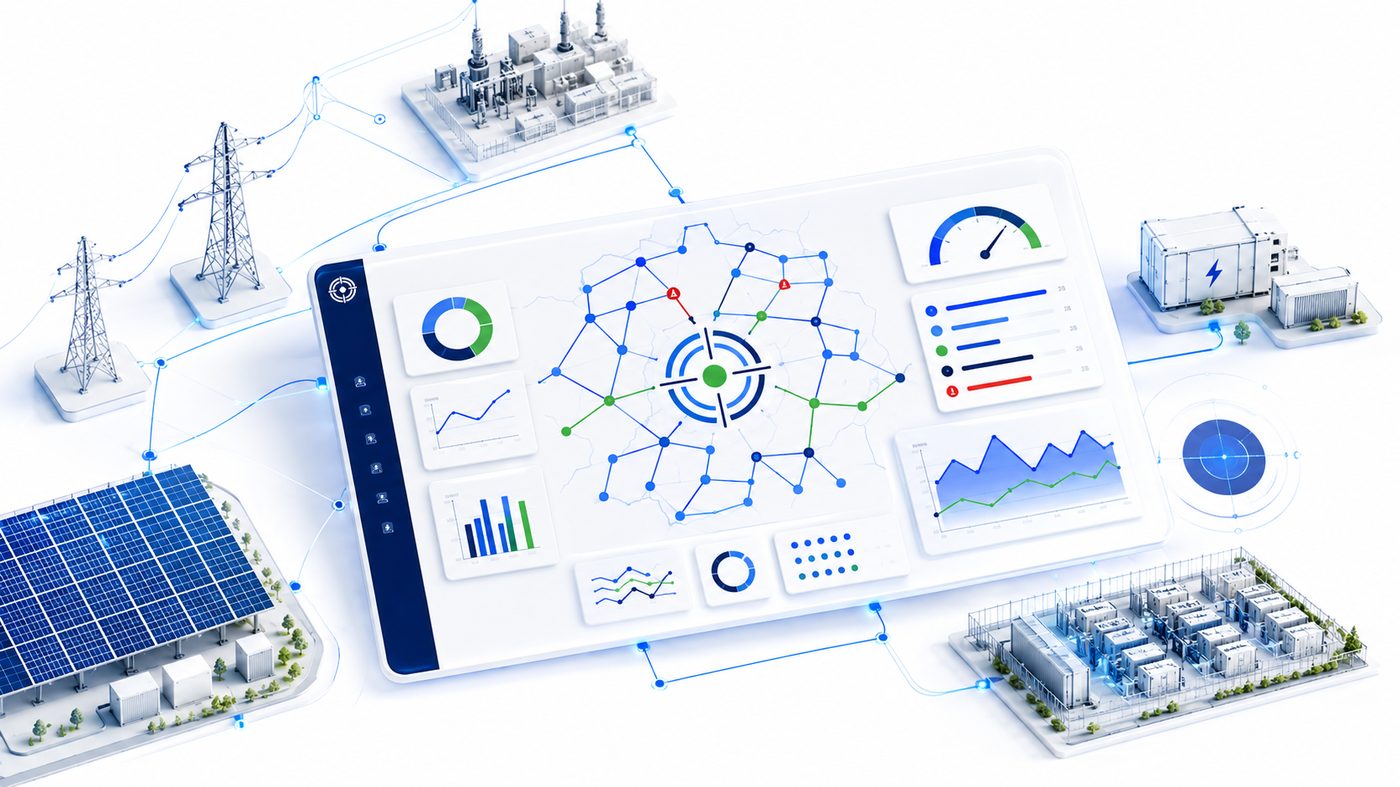
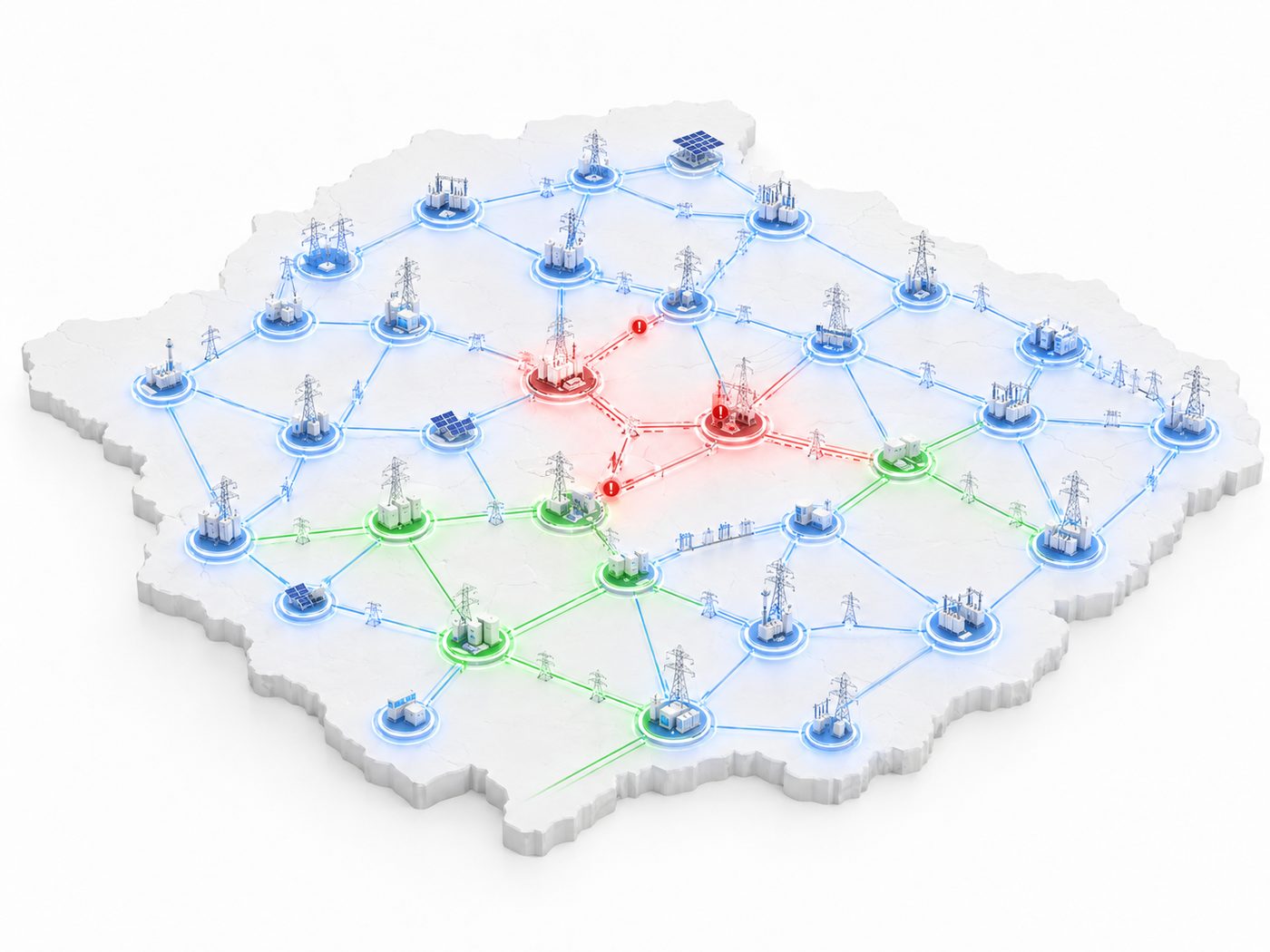
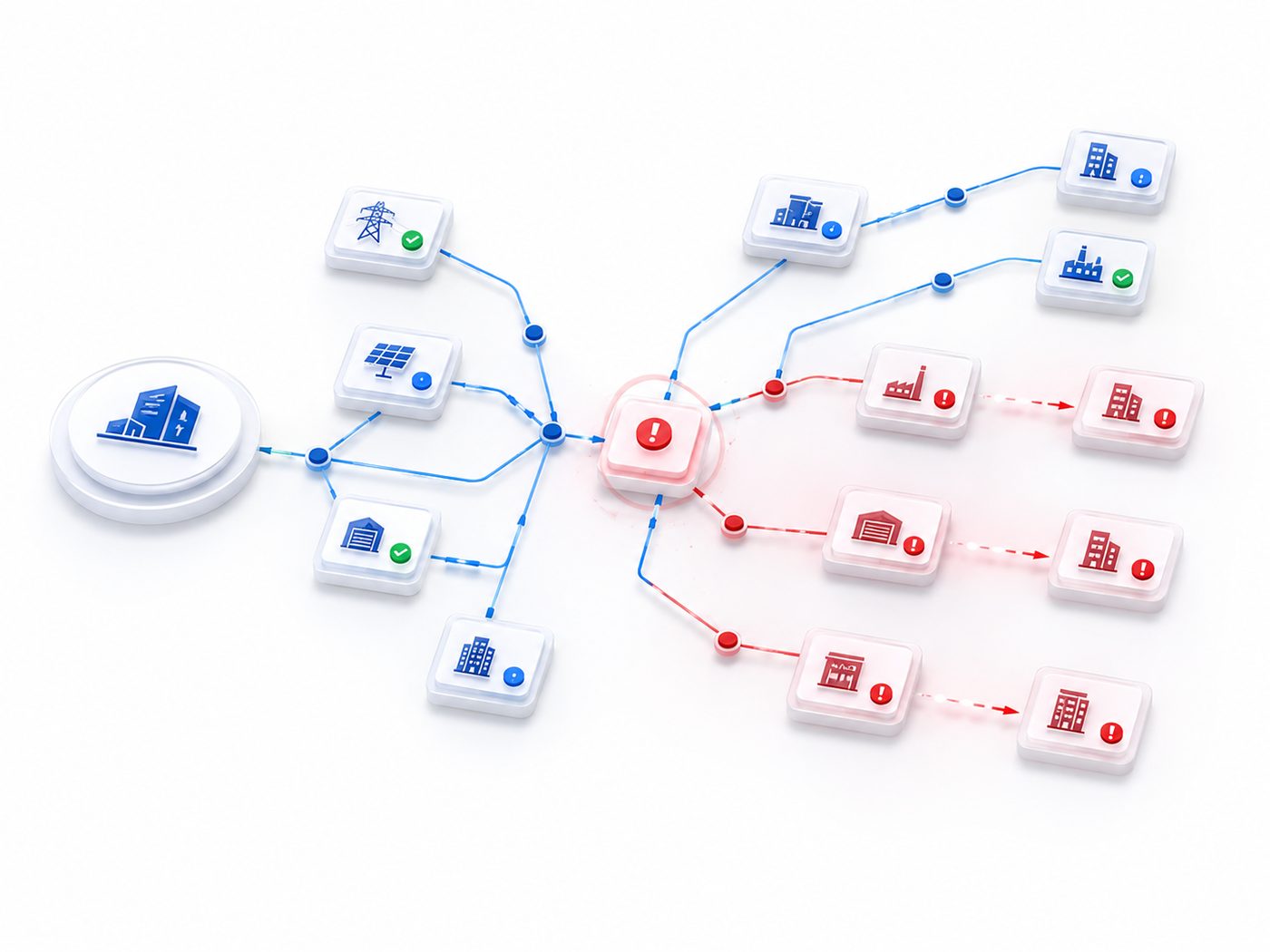
A clean "Pending Review" can be frozen by a dispute 37 positions upstream — and no status page will tell you. QueueSight computes what actually sets your timeline: chain depth, inherited disputes, corridor risk, and ITC deadline exposure — from the utility's own published data.
Utility status pages show your project's position. They don't show what that position is attached to: a serial dependency chain where any upstream dispute gates everything behind it.
The median active project has 14 projects ahead of it in its dependency chain. The deepest has 219. Your published queue position says nothing about either.
The published record of the territory: backlog size, dispute cascades, chain-depth distribution, corridor congestion, deadline clock. Sources cited, snapshot-dated.

Every project in your portfolio: risk grade, full chain, named disputed ancestors, corridor ranking, deadline memo, siting addendum. Five business days. If it tells you nothing new, you don't pay.
Your projects on the daily monitor: status changes, new upstream disputes, chain movement, withdrawal cascades — alerted the day they appear in the data, not the quarter you find out.
Its status page says "Pending Review, position 46." The dependency graph says something else entirely. Every audit delivers:
QueueSight is not a report written once. It is a system that re-reads the grid every day and compounds what it learns.
Public utility queue files, program data, regulatory dockets.
Hash-verified, timestamped archive — history can't be backfilled.
Every status change, new dispute, withdrawal, and position move.
Dependency graph re-walked; inherited risk recomputed per project.
Watchlist clients notified the day risk changes — not the quarter.
Findings become The Queue Report and audit-grade memos.
Every snapshot deepens the time-series no one else recorded.
QueueSight analyzes the Ameren Illinois public interconnection queue (published by the utility; snapshot-dated on every figure), Illinois Shines program files, and ICC docket filings. Dependency chains are computed deterministically by walking the utility's own "Waiting On Project" references — no modeling unless explicitly labeled.
Utility data is published on a lag and may not reflect undisclosed study progress; chain depth measures structural position, not a guaranteed timeline. ITC figures are estimates on stated assumptions ($1.4M/MW capex, 30% credit) — qualification belongs to your tax counsel. QueueSight is independent: not affiliated with any utility, program administrator, or developer.
Free chain-depth lookup on any DER project ID — back within 24 hours. No call, no deck, no commitment.
hello@queuesightdata.com →